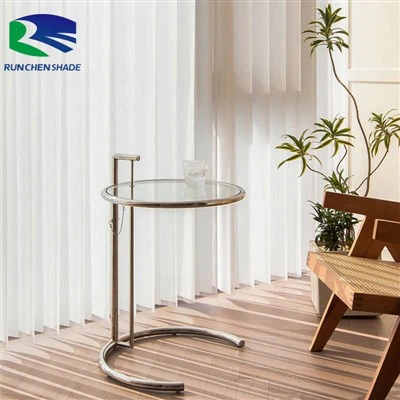
As a supplier of sunscreen fabric, I often encounter various inquiries from customers. One question that has piqued my interest recently is whether sunscreen fabric has antibacterial properties. In this blog, I'll delve into this topic, exploring the science behind sunscreen fabric and its potential antibacterial capabilities.
Understanding Sunscreen Fabric
Sunscreen fabric is designed to block a significant amount of ultraviolet (UV) radiation from the sun. It achieves this through several mechanisms. Some fabrics are treated with special chemicals that absorb or reflect UV rays, while others are made from materials with inherent UV - blocking properties. For instance, tightly woven fabrics can physically block UV rays from passing through. The effectiveness of sunscreen fabric is measured by its UPF (Ultraviolet Protection Factor), which indicates how well the fabric protects against UV radiation. A higher UPF value means better protection.
We offer a wide range of high - quality sunscreen fabrics, such as the High Quality Sunshade Sunscreen Blinds Fabric, which is perfect for both indoor and outdoor use. It not only provides excellent sun protection but also adds an aesthetic touch to any space.
The Concept of Antibacterial Properties
Antibacterial properties refer to the ability of a material to inhibit the growth of bacteria. This can be achieved through various means. Some materials contain antibacterial agents, such as silver nanoparticles, which can disrupt the cell membranes of bacteria, preventing their growth and reproduction. Other materials may have a physical structure that makes it difficult for bacteria to adhere and thrive.
Can Sunscreen Fabric Have Antibacterial Properties?
There is no direct relationship between the sun - blocking function of sunscreen fabric and antibacterial properties. However, it is possible for sunscreen fabric to have antibacterial capabilities if it is treated with antibacterial agents during the manufacturing process.
Some manufacturers may choose to add antibacterial substances to the fabric during the finishing process. For example, they might use triclosan, a well - known antibacterial agent, or natural antibacterial compounds like tea tree oil. These substances can be incorporated into the fabric's fibers or applied as a coating on the surface.


Another way is through the use of nanotechnology. Silver nanoparticles, which have strong antibacterial properties, can be embedded in the fabric. These nanoparticles can release silver ions, which interact with the bacteria's DNA and proteins, effectively killing them or preventing their growth.
However, it's important to note that not all sunscreen fabrics have antibacterial properties. If you are specifically looking for antibacterial sunscreen fabric, you need to check with the supplier to see if the fabric has been treated with antibacterial agents.
Our Sunscreen Fabric for Windows Blinds Indoor can be customized to have antibacterial properties upon request. We work closely with our customers to meet their specific needs, whether it's sun protection, aesthetics, or antibacterial functions.
Testing for Antibacterial Properties
To determine if a sunscreen fabric has antibacterial properties, several tests can be conducted. One common method is the agar diffusion test. In this test, a sample of the fabric is placed on an agar plate that has been inoculated with bacteria. If the fabric has antibacterial properties, a clear zone will form around the fabric sample, indicating that the bacteria's growth has been inhibited.
Another test is the shake - flask method. In this method, the fabric sample is placed in a flask containing a bacterial suspension. After a certain period of time, the number of bacteria in the suspension is measured. A significant reduction in the number of bacteria compared to a control sample indicates that the fabric has antibacterial properties.
Advantages of Antibacterial Sunscreen Fabric
Having antibacterial properties in sunscreen fabric can offer several advantages. In indoor settings, such as in homes or offices, antibacterial sunscreen fabric for window blinds can help maintain a clean and healthy environment. It can reduce the presence of bacteria that may cause unpleasant odors or pose a health risk, especially for people with allergies or weakened immune systems.
In outdoor applications, such as in awnings or beach umbrellas, antibacterial sunscreen fabric can prevent the growth of bacteria that may be introduced by environmental factors, such as dust, sand, and moisture. This can extend the lifespan of the fabric and keep it looking and smelling fresh.
Our Pretty Sunscreen Blind Fabrics From with antibacterial properties are not only beautiful but also functional. They can enhance the overall comfort and hygiene of any space.
Considerations When Choosing Antibacterial Sunscreen Fabric
When choosing antibacterial sunscreen fabric, there are several factors to consider. First, you need to ensure that the antibacterial agents used are safe. Some antibacterial agents may have potential health risks, especially if they are released into the environment or come into contact with the skin.
Second, you should check the durability of the antibacterial properties. Over time, the antibacterial agents may wear off, especially if the fabric is washed frequently. Look for fabrics that have been treated with long - lasting antibacterial technologies.
Finally, consider the cost. Antibacterial sunscreen fabric may be more expensive than regular sunscreen fabric due to the additional manufacturing processes. However, the added benefits in terms of health and hygiene may justify the higher cost.
Conclusion
In conclusion, while sunscreen fabric does not inherently have antibacterial properties, it can be treated to have such capabilities. As a sunscreen fabric supplier, we understand the diverse needs of our customers. Whether you are looking for simple sun protection or fabric with additional antibacterial functions, we can provide you with high - quality solutions.
If you are interested in our antibacterial sunscreen fabric or have any questions about our products, please feel free to contact us for more information and to start a procurement discussion. We are committed to providing you with the best products and services to meet your specific requirements.
References
- Brown, S. A., & Emerson, J. D. (2017). Antibacterial Textiles: A Review of the Current State of the Art. Journal of Industrial and Engineering Chemistry, 53, 24 - 33.
- Gardette, J. L. (2018). Photoprotection of Textiles and Plastics: Principles and Applications. John Wiley & Sons.
- Ko, F. K., & Wang, X. (2016). Handbook of Technical Textiles. Woodhead Publishing.