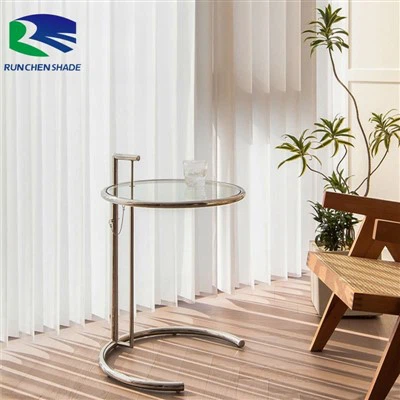
Can sunscreen fabric be used for tents? This is a question that many outdoor enthusiasts, campers, and event organizers often ponder. As a sunscreen fabric supplier, I've had numerous inquiries regarding the suitability of our sunscreen fabric for tent construction. In this blog post, I'll delve into the characteristics of sunscreen fabric, its potential advantages and drawbacks when used for tents, and offer some insights based on my experience in the industry.
Understanding Sunscreen Fabric
Sunscreen fabric is designed to block or reduce the amount of ultraviolet (UV) radiation that passes through it. It typically features a special coating or treatment that reflects or absorbs UV rays, protecting both people and objects from the harmful effects of the sun. Our company offers a variety of sunscreen fabrics, including Sunlight Room Sunscreen Blinds Fabric, Sunscreen Blinds Fabric for Living Room, and Sunscreen Blinds Fabric for Window. These fabrics are commonly used for indoor applications such as blinds and curtains, but their potential use in outdoor tents is an area of growing interest.
Advantages of Using Sunscreen Fabric for Tents
1. UV Protection
One of the most significant advantages of using sunscreen fabric for tents is its excellent UV protection. The fabric can block a high percentage of UV rays, reducing the risk of sunburn, skin aging, and other sun-related health issues for those inside the tent. This is especially important during long outdoor activities, such as camping trips or outdoor festivals, where people are exposed to the sun for extended periods.
2. Heat Reduction
Sunscreen fabric can also help reduce the amount of heat that enters the tent. By reflecting or absorbing a significant portion of the sun's energy, the fabric can keep the interior of the tent cooler, providing a more comfortable environment for occupants. This is particularly beneficial in hot climates or during the summer months when temperatures can soar.
3. Durability
Many sunscreen fabrics are designed to be durable and resistant to wear and tear. They can withstand exposure to the elements, including wind, rain, and sunlight, without losing their protective properties. This makes them a suitable choice for tents that will be used frequently or in harsh outdoor conditions.
4. Customization
Sunscreen fabric comes in a variety of colors, patterns, and textures, allowing for a high degree of customization. Tent manufacturers can choose a fabric that matches their brand or design aesthetic, creating a unique and attractive tent. Additionally, the fabric can be easily cut and sewn, making it suitable for a wide range of tent styles and sizes.
Drawbacks of Using Sunscreen Fabric for Tents
1. Breathability
One of the main drawbacks of using sunscreen fabric for tents is its potential lack of breathability. Some sunscreen fabrics are designed to be more airtight to maximize UV protection and heat reduction, which can lead to poor ventilation inside the tent. This can result in a stuffy and uncomfortable environment, especially in humid conditions.
2. Water Resistance
While some sunscreen fabrics may have some level of water resistance, they are not typically as waterproof as traditional tent fabrics. This means that in heavy rain or wet conditions, the tent may not provide adequate protection from the elements. Tent manufacturers may need to apply additional waterproof coatings or treatments to the fabric to improve its water resistance.


3. Cost
Sunscreen fabric can be more expensive than traditional tent fabrics, especially if it has advanced UV protection and durability features. This can increase the overall cost of the tent, making it less accessible to some consumers. However, the long-term benefits of using sunscreen fabric, such as its UV protection and durability, may outweigh the initial cost.
Considerations for Using Sunscreen Fabric in Tent Construction
1. Tent Design
When using sunscreen fabric for tents, it's important to consider the tent's design and ventilation requirements. Tent manufacturers can incorporate features such as mesh panels, vents, or windows to improve airflow and reduce the risk of condensation. Additionally, the tent's shape and size can affect its ventilation, so it's important to choose a design that allows for adequate air circulation.
2. Fabric Selection
Not all sunscreen fabrics are suitable for tent construction. Tent manufacturers should choose a fabric that has the appropriate level of UV protection, durability, and water resistance for their intended use. They should also consider the fabric's weight, thickness, and breathability, as these factors can affect the tent's performance and comfort.
3. Testing and Certification
Before using a sunscreen fabric in tent construction, it's important to test the fabric to ensure that it meets the necessary standards and requirements. Tent manufacturers should look for fabrics that have been tested and certified for UV protection, water resistance, and durability. This can help ensure that the tent provides adequate protection and performance in real-world conditions.
Conclusion
In conclusion, sunscreen fabric can be a viable option for tent construction, offering excellent UV protection, heat reduction, durability, and customization options. However, it's important to consider the potential drawbacks, such as its lack of breathability and water resistance, and take appropriate measures to address these issues. Tent manufacturers should carefully select the fabric, design the tent for optimal ventilation, and test the fabric to ensure that it meets the necessary standards and requirements.
If you're interested in using our sunscreen fabric for your tent construction project, we'd be happy to discuss your needs and provide you with more information. Please feel free to contact us to start a conversation about your procurement requirements. We look forward to working with you to create high-quality, sun-protective tents.
References
- American Society for Testing and Materials (ASTM). (Year). Standard test methods for determining the ultraviolet (UV) transmittance and blocking of fabrics.
- International Organization for Standardization (ISO). (Year). Textiles - Determination of solar ultraviolet protection factor (UPF).
- Tent Manufacturers Association. (Year). Tent design and construction guidelines.