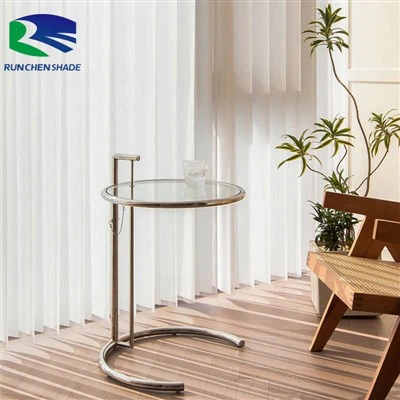
As a supplier of Motoried Indoor Sunscreen Blinds, I often get asked about the materials used in their construction. Understanding the materials is crucial as it directly impacts the performance, durability, and aesthetic appeal of these blinds. In this blog, I'll delve into the various materials commonly used to make motorized indoor sunscreen blinds.
Fabric
The most prominent material in motorized indoor sunscreen blinds is fabric. Fabrics used for these blinds are specially engineered to offer a balance between light control, heat reduction, and visibility.
Polyester
Polyester is one of the most widely used fabrics for motorized indoor sunscreen blinds. It is known for its excellent durability and resistance to fading. When exposed to sunlight, polyester maintains its color and structural integrity over time. This makes it an ideal choice for areas with high sun exposure, such as south - facing windows.
Polyester fabrics can be treated with special coatings to enhance their performance. For example, a UV - resistant coating can further protect the fabric from the sun's harmful rays and also reduce the amount of heat that enters the room. Additionally, polyester can be woven in different patterns and densities to control the amount of light that passes through the blinds. A tight weave will block more light and provide better privacy, while a looser weave allows more light in and offers a clearer view outside. You can explore a wide range of polyester - based Motoried Indoor Sunscreen Blinds on our website.
PVC - Coated Fabrics
PVC - coated fabrics are another popular option. The PVC coating adds an extra layer of protection to the fabric, making it more resistant to moisture, stains, and dirt. This is particularly useful in areas where the blinds may be exposed to humidity or where easy cleaning is required, such as kitchens or bathrooms.


These fabrics also have good light - blocking properties. The PVC coating can be customized to have different levels of opacity, allowing you to choose the amount of light and privacy you desire. Moreover, PVC - coated fabrics often have a smooth finish, which gives the blinds a modern and sleek appearance. If you are looking for motorized sunscreen blinds for a commercial space like an office building, our Motorized Sunscreen Blinds for Office Building made with PVC - coated fabrics might be a great fit.
Components for Motorization
Apart from the fabric, the motorization system of these blinds consists of several important components, each made from specific materials.
Motors
The motor is the heart of the motorized indoor sunscreen blinds. Most motors used in these blinds are made from high - quality metals such as aluminum and steel. Aluminum is lightweight and corrosion - resistant, which is beneficial as it reduces the overall weight of the blind system and ensures long - term durability, especially in environments with varying humidity levels.
Steel, on the other hand, is known for its strength. Motors with steel components can handle heavier blinds and provide more reliable operation. These motors are often designed to be energy - efficient, consuming less power while still delivering smooth and consistent movement. The motor is usually controlled by a remote or a smart home system, allowing you to adjust the blinds with ease.
Rails and Tracks
The rails and tracks that guide the movement of the blinds are typically made from aluminum or plastic. Aluminum rails are strong and durable, capable of withstanding the repeated movement of the blinds over time. They also have a sleek appearance that complements the overall look of the blinds.
Plastic rails, on the other hand, are more cost - effective and lightweight. They are suitable for smaller or lighter blinds. Plastic rails can be easily molded into different shapes and sizes, making them a versatile option for various blind designs.
Additional Materials for Aesthetics and Functionality
Headrails
The headrail is the part of the blind that houses the motor and provides support for the fabric. Headrails are often made from aluminum or wood. Aluminum headrails are lightweight, easy to install, and offer a modern look. They can be powder - coated in different colors to match the interior decor of the room.
Wooden headrails, on the other hand, add a warm and natural touch to the blinds. They are available in a variety of wood species, each with its own unique grain pattern and color. Wooden headrails are more commonly used in traditional or rustic settings, where they can enhance the overall aesthetic appeal of the space. If you are interested in motorized sunscreen blinds for a home office or a hotel, our Motorized Sunscreen Blinds for Home Office Hotel with different headrail options might be what you need.
Bottom Rails
The bottom rail is used to keep the blind straight and weighted. It is usually made from metal or plastic. Metal bottom rails, such as aluminum or steel, provide a more substantial weight, ensuring that the blind hangs straight and does not sway. Plastic bottom rails are lighter and more flexible, which can be an advantage in some applications.
Conclusion
In conclusion, motorized indoor sunscreen blinds are made from a variety of materials, each chosen for its specific properties and benefits. The fabric, whether it's polyester, PVC - coated fabric, provides light control, heat reduction, and aesthetic appeal. The motorization components, including the motor, rails, and tracks, are made from materials that ensure smooth and reliable operation. And the additional components like headrails and bottom rails add to both the functionality and the overall look of the blinds.
If you are in the market for high - quality motorized indoor sunscreen blinds, we invite you to explore our product range. Our team of experts is ready to assist you in choosing the right blinds for your specific needs. Whether it's for a residential space, an office building, or a hotel, we have the perfect solution for you. Contact us to start a procurement discussion and find out how our motorized indoor sunscreen blinds can enhance your space.
References
- "Textiles for Interior Design" by Helen Drummy
- "Window Coverings: A Complete Guide" by Mary Gilliatt