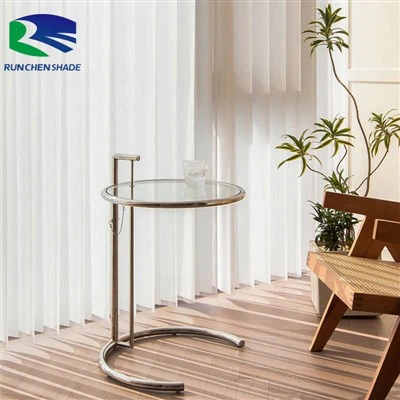
As a trusted blinds fabric supplier, I often get asked about the installation process for vertical blinds fabric. In this blog post, I'll walk you through the step-by-step procedure to ensure a smooth and successful installation. Whether you're a DIY enthusiast or a professional installer, this guide will provide you with the necessary information to get the job done right.
Step 1: Gather Your Tools and Materials
Before you begin the installation process, it's important to gather all the necessary tools and materials. Here's a list of items you'll need:
- Measuring tape
- Screwdriver
- Drill
- Level
- Vertical blinds fabric kit (including headrail, carriers, and slats)
- Mounting brackets
- Screws
- Wall plugs (if required)
Step 2: Measure the Window
Accurate measurements are crucial for a proper fit. Use a measuring tape to measure the width and height of the window where you plan to install the vertical blinds. Measure the width at the top, middle, and bottom of the window and record the narrowest measurement. Measure the height from the top of the window frame to the desired length of the blinds.
Step 3: Choose the Mounting Location
Decide whether you want to mount the headrail inside the window frame (inside mount) or outside the window frame (outside mount). An inside mount provides a cleaner look and allows the blinds to fit snugly within the window frame. An outside mount is a good option if you have limited space inside the window frame or if you want to block more light.
Step 4: Install the Mounting Brackets
If you're doing an inside mount, position the mounting brackets inside the window frame at the top, making sure they are level. Mark the screw holes on the window frame using a pencil. Drill pilot holes and insert wall plugs if necessary. Secure the mounting brackets to the window frame using screws.
If you're doing an outside mount, position the mounting brackets above the window frame, making sure they are level. Mark the screw holes on the wall using a pencil. Drill pilot holes and insert wall plugs if necessary. Secure the mounting brackets to the wall using screws.
Step 5: Attach the Headrail to the Mounting Brackets
Once the mounting brackets are installed, carefully place the headrail onto the brackets. Align the holes in the headrail with the holes in the brackets and insert the screws to secure the headrail in place. Use a screwdriver to tighten the screws, but be careful not to overtighten them.


Step 6: Install the Carriers
The carriers are the small plastic or metal pieces that hold the slats in place. Insert the carriers into the headrail, making sure they are evenly spaced. You can usually do this by sliding them into the track on the bottom of the headrail.
Step 7: Hang the Slats
Take each slat and insert the top of the slat into the carrier. Make sure the slat is hanging straight and that the carrier is securely holding the slat in place. Repeat this process for each slat until all the slats are hung.
Step 8: Adjust the Slats
Once all the slats are hung, you may need to adjust them to ensure they are all the same length and that they hang straight. You can do this by adjusting the length of the cords or chains that are attached to the slats. Use a pair of scissors or wire cutters to trim the cords or chains to the desired length.
Step 9: Test the Blinds
After the slats are adjusted, test the blinds to make sure they open and close smoothly. You can do this by pulling the cord or chain to open and close the blinds. If the blinds don't open or close smoothly, you may need to adjust the carriers or the slats.
Step 10: Enjoy Your New Vertical Blinds
Once you're satisfied with the installation and the blinds are working properly, you can sit back and enjoy your new vertical blinds. They will not only enhance the look of your windows but also provide privacy and control over the amount of light entering your room.
Additional Tips and Considerations
- If you're installing vertical blinds in a bathroom or other humid area, make sure to choose a fabric that is moisture-resistant.
- If you have children or pets, consider using cordless vertical blinds to prevent any potential safety hazards.
- If you're unsure about any part of the installation process, consult the manufacturer's instructions or seek the advice of a professional installer.
Conclusion
Installing vertical blinds fabric is a relatively straightforward process that can be completed by most DIY enthusiasts. By following the steps outlined in this guide and using the right tools and materials, you can ensure a successful installation. If you have any questions or need further assistance, feel free to contact us. We're here to help you find the perfect blinds fabric for your needs and provide you with the support you need to install them correctly.
As a leading blinds fabric supplier, we offer a wide range of high-quality fabrics and styles to choose from. One of our popular products is the Electric Dream Curtains With One-button Precise Dimming. These curtains are not only stylish but also feature advanced technology that allows you to adjust the amount of light entering your room with just one button.
If you're interested in purchasing blinds fabric or have any questions about our products, please don't hesitate to contact us. We look forward to working with you and helping you transform your windows with beautiful and functional blinds.
References
- Blinds Installation Guide - Home Depot
- Vertical Blinds Installation Instructions - Lowe's
- How to Install Vertical Blinds - This Old House