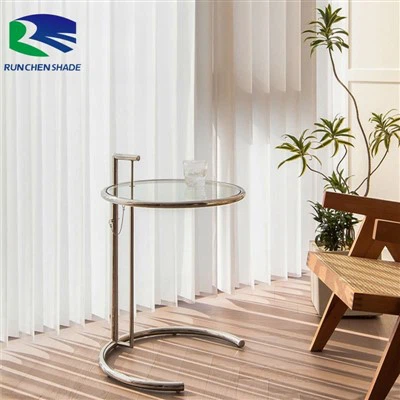
As a seasoned supplier of roller blinds fabric, I understand the importance of proper storage to maintain the quality and longevity of these materials. Roller blinds fabric comes in a wide range of styles, colors, and functionalities, such as the Nordic Style Roller Blind Fabric, Summer Sun Protection Roller Blind Fabric, and Roller Blind Fabric for Home and Office. In this blog post, I'll share some essential tips on how to store roller blinds fabric effectively.
Understanding the Fabric
Before delving into storage methods, it's crucial to understand the different types of roller blinds fabric. Fabrics can vary in terms of material composition, such as polyester, cotton, or a blend of both. Each material has its own characteristics and storage requirements. For instance, natural fibers like cotton are more prone to moisture absorption and may require extra care to prevent mildew. Synthetic fabrics like polyester, on the other hand, are generally more resistant to moisture and stains but can still be damaged by excessive heat or sunlight.
Choosing the Right Storage Location
The first step in storing roller blinds fabric is to select an appropriate location. Here are some key factors to consider:
Temperature and Humidity
The ideal storage temperature for roller blinds fabric is between 50°F and 70°F (10°C and 21°C). Avoid storing the fabric in areas that are subject to extreme temperature fluctuations, such as attics or basements. High humidity can also cause problems, such as mold growth and fabric discoloration. Aim for a relative humidity level of around 40% to 60%. If necessary, use a dehumidifier or humidifier to maintain the optimal humidity level in the storage area.
Light Exposure
Prolonged exposure to sunlight can fade and damage roller blinds fabric. Therefore, it's important to store the fabric in a dark or low-light environment. If possible, choose a storage area that is away from windows or use blackout curtains to block out sunlight.
Ventilation
Good ventilation is essential to prevent the buildup of moisture and odors. Make sure the storage area has adequate airflow by opening windows or using fans. Avoid storing the fabric in airtight containers, as this can trap moisture and lead to mold growth.
Preparing the Fabric for Storage
Before storing the roller blinds fabric, it's important to clean and prepare it properly. Here are some steps to follow:

Cleaning
Remove any dirt, dust, or stains from the fabric before storage. You can use a mild detergent and warm water to clean the fabric. Avoid using harsh chemicals or abrasive cleaners, as these can damage the fabric. After cleaning, rinse the fabric thoroughly and allow it to dry completely before storing.
Folding or Rolling
The way you fold or roll the fabric can also affect its storage. For best results, roll the fabric rather than folding it. Folding can cause creases and wrinkles, which can be difficult to remove. When rolling the fabric, make sure it is rolled tightly and evenly to prevent it from sagging or becoming misshapen.

Labeling
Labeling the fabric can help you keep track of its type, color, and size. You can use a permanent marker or a label maker to write the information on the fabric or on a storage container. This will make it easier to find the fabric you need when you're ready to use it.
Storing the Fabric
Once you've prepared the fabric for storage, it's time to choose the right storage method. Here are some options to consider:
Hanging
Hanging the fabric is a great way to prevent creases and wrinkles. You can use a clothes hanger or a curtain rod to hang the fabric. Make sure the hanger or rod is sturdy enough to support the weight of the fabric. If you're hanging multiple pieces of fabric, leave some space between them to allow for air circulation.
Shelving
If you don't have enough space to hang the fabric, you can store it on shelves. Make sure the shelves are clean, dry, and sturdy. You can use storage bins or boxes to organize the fabric and keep it protected. Label the bins or boxes to make it easier to find the fabric you need.
Storage Bags
Storage bags are another option for storing roller blinds fabric. You can use plastic or fabric storage bags to protect the fabric from dust, dirt, and moisture. Make sure the bags are large enough to accommodate the fabric and that they are sealed tightly to prevent air and moisture from getting in.
Monitoring the Fabric
Even if you've stored the roller blinds fabric properly, it's important to monitor it regularly to make sure it's in good condition. Here are some things to look for:
Mold and Mildew
Check the fabric for any signs of mold or mildew, such as black or green spots. If you notice any mold or mildew, remove the fabric from storage immediately and clean it thoroughly. You may need to use a mold and mildew remover to get rid of the stains.
Insects and Pests
Insects and pests can also damage roller blinds fabric. Check the fabric for any signs of insects or pests, such as holes or droppings. If you notice any insects or pests, remove the fabric from storage immediately and treat it with an insecticide or pest control product.

Fading and Discoloration
Prolonged exposure to sunlight can cause the fabric to fade and discolor. Check the fabric for any signs of fading or discoloration, such as a change in color or a loss of vibrancy. If you notice any fading or discoloration, move the fabric to a darker storage area or use a UV-blocking curtain to protect it from sunlight.
Conclusion
Proper storage is essential to maintain the quality and longevity of roller blinds fabric. By choosing the right storage location, preparing the fabric for storage, and monitoring it regularly, you can ensure that your roller blinds fabric stays in good condition for years to come. If you're interested in purchasing high-quality roller blinds fabric, please feel free to contact us for more information. We offer a wide range of fabrics, including the Nordic Style Roller Blind Fabric, Summer Sun Protection Roller Blind Fabric, and Roller Blind Fabric for Home and Office. We look forward to working with you!
References
- "Textile Storage Guidelines." The Textile Society of America.
- "How to Store Fabric." Martha Stewart.
- "Fabric Care and Storage." The Spruce Crafts.