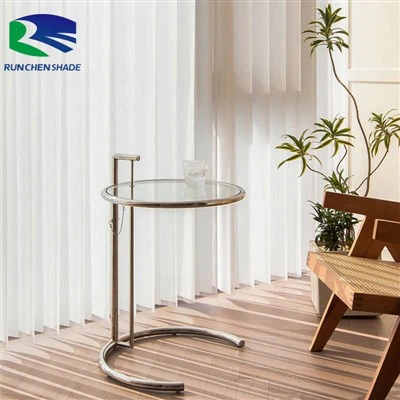
Hey there! As a supplier of blinds fabric, I've seen firsthand how the weave of the fabric can have a huge impact on its performance. In this blog post, I'm gonna break down the different types of weaves and how they affect the functionality and look of your blinds.
Let's start with the basics. The weave of a fabric refers to how the yarns are interlaced. There are several common weaves used in blinds fabric, each with its own unique characteristics.
Plain Weave
The plain weave is one of the simplest and most common weaves out there. In a plain weave, the warp (lengthwise) and weft (crosswise) yarns alternate over and under each other. This creates a tight, balanced fabric that's relatively easy to produce.
One of the main advantages of a plain weave in blinds fabric is its durability. The tight interlacing of the yarns makes the fabric strong and resistant to wear and tear. It can withstand regular opening and closing of the blinds without easily fraying or tearing.
In terms of light control, a plain weave can provide moderate privacy and light blockage. However, because the weave is relatively open, it may not completely block out all light. If you're looking for complete blackout, a plain weave might not be the best choice on its own.
But the plain weave does have a clean, classic look that works well in a variety of decor styles. It gives the blinds a smooth, even surface that can be easily paired with different colors and patterns.
Twill Weave
A twill weave is characterized by a diagonal pattern on the fabric surface. This is created by the way the yarns are interlaced in a pattern where one yarn floats over multiple others before going under.


Twill weaves offer several benefits for blinds. First of all, they tend to be more durable than plain weaves. The diagonal pattern distributes stress more evenly across the fabric, making it less likely to develop holes or tears.
In terms of light control, twill weaves can provide better light blockage compared to plain weaves. The diagonal pattern creates more layers and reduces the amount of light that can pass through the fabric.
Twill weaves also have a more textured and sophisticated look. The diagonal lines add visual interest to the blinds, giving them a bit more depth and dimension. This can make them a great choice for more formal or upscale decor.
Satin Weave
Satin weaves are known for their smooth, shiny surface. In a satin weave, the yarns are interlaced in a way that creates long floats on the fabric surface, which gives it that characteristic sheen.
One of the main advantages of a satin weave in blinds is its aesthetic appeal. The shiny surface can add a touch of luxury and elegance to any room. It reflects light beautifully, creating a soft, warm glow when the blinds are open.
However, satin weaves may not be the best choice for light control. Because of the long floats, the fabric is more porous, which means it allows more light to pass through. So if you need complete blackout, you might want to consider using a satin weave in combination with a liner or another light-blocking layer.
Satin weaves are also a bit more delicate than plain or twill weaves. They can be more prone to snags and wrinkles, so they may require a bit more care and maintenance.
Jacquard Weave
Jacquard weaves are more complex and can create intricate patterns and designs on the fabric. These patterns are created using a special loom that allows for individual control of each yarn.
Jacquard weaves offer a high level of customization. You can create almost any pattern or design you can imagine, from simple geometric shapes to detailed floral motifs. This makes them a great choice for adding a unique and personalized touch to your blinds.
In terms of performance, the light control and durability of a Jacquard weave depend on the specific yarns and construction used. Some Jacquard weaves can provide good light blockage, while others may be more for decorative purposes.
The complexity of Jacquard weaves also means they tend to be more expensive than other types of weaves. But if you're looking for something truly special and one-of-a-kind, the investment can be worth it.
How Weave Affects Other Performance Factors
In addition to light control and durability, the weave of the blinds fabric can also affect other performance factors.
Insulation: The type of weave can impact the insulation properties of the blinds. A tighter weave, like a twill or a well-constructed plain weave, can help to reduce heat transfer through the window. This can save you money on your energy bills by keeping your home cooler in the summer and warmer in the winter.
Sound Absorption: Some weaves, especially those with a more textured surface, can help to absorb sound. This can be beneficial if you're looking to reduce noise from outside or between rooms.
Cleaning and Maintenance: Different weaves have different cleaning requirements. For example, a plain weave is usually easier to clean because it has a smooth surface. A more textured weave, like a twill or Jacquard, may require more careful cleaning to avoid damaging the pattern.
Our Offerings
At our company, we offer a wide range of blinds fabric with different weaves to meet your specific needs. Whether you're looking for a simple, durable plain weave for a budget-friendly option, or a luxurious Jacquard weave for a high-end look, we've got you covered.
One of our popular products is the Electric Dream Curtains With One-button Precise Dimming. These curtains are made with high-quality fabric and feature a unique weave that provides excellent light control and privacy. With just one button, you can adjust the amount of light that enters your room, creating the perfect ambiance.
If you're interested in learning more about our blinds fabric or have any questions about which weave is right for your project, don't hesitate to reach out. We're here to help you make the best choice for your home or business.
Conclusion
The weave of your blinds fabric plays a crucial role in its performance and appearance. Each type of weave has its own unique advantages and disadvantages, so it's important to consider your specific needs and preferences when choosing the right fabric for your blinds.
Whether you're looking for light control, durability, aesthetic appeal, or customization, there's a weave out there that's perfect for you. And if you're in the market for high-quality blinds fabric, we'd love to work with you. Just contact us, and we'll be happy to discuss your options and help you find the perfect solution.
References
- Textile Science textbooks
- Industry research reports on blinds fabric performance