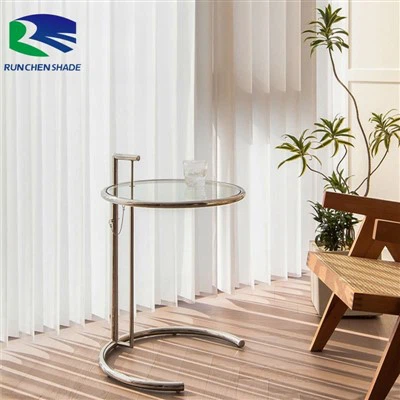
Sunlight is a powerful natural force that plays a significant role in our daily lives. While it provides essential benefits such as vitamin D synthesis and a positive impact on mood, it can also have detrimental effects on various materials, including sunscreen fabric. As a sunscreen fabric supplier, I have witnessed firsthand how sunlight exposure can lead to color fading in our products. In this blog post, I will explore the science behind this phenomenon, discuss the factors that influence color fading, and provide insights into how we can mitigate its effects.
The Science of Color Fading
Color fading in sunscreen fabric is primarily caused by a process known as photodegradation. When sunlight, particularly ultraviolet (UV) radiation, interacts with the fabric's dyes and pigments, it can break down the chemical bonds that give the fabric its color. This process is accelerated by the presence of oxygen and moisture, which can further react with the degraded molecules to form new compounds that are less colorful or even colorless.
UV radiation is divided into three categories: UVA, UVB, and UVC. UVC radiation is absorbed by the Earth's atmosphere and does not reach the surface, so it is not a significant factor in color fading. However, UVA and UVB radiation can penetrate the atmosphere and cause damage to the fabric. UVA radiation has a longer wavelength and can penetrate deeper into the fabric, while UVB radiation has a shorter wavelength and is more likely to cause surface damage.
Factors Influencing Color Fading
Several factors can influence the rate and extent of color fading in sunscreen fabric. These include:
- Type of Dye and Pigment: Different dyes and pigments have varying degrees of resistance to UV radiation. Some dyes, such as azo dyes, are more prone to fading than others. Additionally, the quality of the dye and pigment used in the fabric can also affect its colorfastness.
- Fabric Composition: The type of fiber used in the fabric can also play a role in color fading. Natural fibers, such as cotton and silk, are generally more susceptible to fading than synthetic fibers, such as polyester and nylon. This is because natural fibers contain more organic compounds that can be broken down by UV radiation.
- Sunlight Intensity and Duration: The intensity and duration of sunlight exposure are also important factors. Fabrics that are exposed to direct sunlight for extended periods of time are more likely to fade than those that are exposed to indirect sunlight or shaded areas.
- Environmental Conditions: The environmental conditions in which the fabric is used can also affect color fading. High temperatures, humidity, and pollution can all accelerate the photodegradation process.
Impact on Sunscreen Fabric Quality
Color fading not only affects the appearance of sunscreen fabric but also its performance. As the fabric fades, its ability to block UV radiation may also decrease. This is because the dyes and pigments in the fabric play a role in absorbing and reflecting UV rays. When the color fades, the fabric may become less effective at protecting against the sun's harmful rays.


In addition to reducing the fabric's UV protection, color fading can also affect its durability. As the fabric's dyes and pigments break down, the fibers may become weaker and more prone to damage. This can lead to increased wear and tear, as well as a shorter lifespan for the fabric.
Mitigating Color Fading
As a sunscreen fabric supplier, we take several steps to mitigate the effects of color fading in our products. These include:
- Using High-Quality Dyes and Pigments: We carefully select the dyes and pigments used in our fabrics to ensure they have a high level of resistance to UV radiation. We also use advanced dyeing and printing techniques to ensure the colors are evenly distributed and firmly attached to the fabric.
- Applying UV-Resistant Finishes: In addition to using high-quality dyes and pigments, we also apply UV-resistant finishes to our fabrics. These finishes help to block UV radiation and prevent it from reaching the fabric's dyes and pigments.
- Providing Care Instructions: We provide our customers with detailed care instructions to help them maintain the color and performance of our sunscreen fabric. These instructions include recommendations for washing, drying, and storing the fabric to minimize exposure to sunlight and other environmental factors.
Our Product Offerings
At our company, we offer a wide range of sunscreen fabric products that are designed to provide excellent UV protection and colorfastness. Some of our popular products include:
- 10% Openness Sunscreen Fabric: This fabric has a 10% openness, which allows for some visibility while still blocking a significant amount of sunlight. It is available in a variety of colors and patterns to suit different design needs.
- Luxury Sunscreen Blinds Fabric for Window: This high-quality fabric is designed specifically for window blinds. It offers excellent UV protection and colorfastness, as well as a luxurious appearance.
- Full Blackout Plain Sunscreen Blinds Fabrics: This fabric is designed to block out all sunlight, making it ideal for bedrooms, media rooms, and other areas where complete privacy and darkness are desired. It is available in a range of neutral colors to match any decor.
Contact Us for Procurement
If you are interested in purchasing our sunscreen fabric products or have any questions about color fading or UV protection, please do not hesitate to contact us. Our team of experts is available to provide you with more information and help you choose the right fabric for your needs. We look forward to working with you and helping you create a beautiful and functional space that is protected from the sun's harmful rays.
References
- Allen, N. S., Edge, M., & Liauw, C. M. (2003). Photo-oxidation and photo stabilisation of polymers. Royal Society of Chemistry.
- ASTM International. (2018). Standard test method for colorfastness to light: open flame carbon arc lamp. ASTM D1729-18.
- Benerito, R. R. (2005). Textile chemistry. Elservier.
- Burkinshaw, S. M. (2013). Coloration of synthetic fibers. Woodhead Publishing.