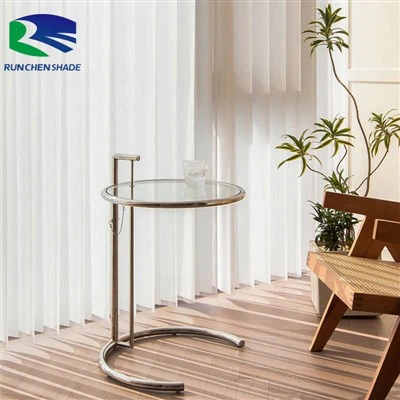
In today's world, environmental consciousness is at an all-time high, and this trend has permeated every aspect of our lives, including home decor. As a leading supplier of Zebra Blinds Fabric for the living room, I often receive inquiries about eco-friendly options. In this blog post, I'll explore the various eco-friendly choices available in zebra blinds fabric and how they can enhance your living room while being kind to the planet.
The Importance of Eco-Friendly Zebra Blinds Fabric
Before delving into the specific eco-friendly options, it's essential to understand why choosing sustainable materials for your living room zebra blinds matters. Firstly, eco-friendly fabrics are typically made from natural or recycled materials, which reduces the demand for virgin resources. This helps conserve natural habitats and decreases the environmental impact associated with resource extraction.
Secondly, these fabrics often have a lower carbon footprint. They require less energy to produce, emit fewer pollutants during manufacturing, and are biodegradable or recyclable at the end of their life cycle. By opting for eco-friendly zebra blinds fabric, you're contributing to a healthier planet for future generations.
Finally, eco-friendly fabrics are generally safer for your home environment. They are free from harmful chemicals, such as formaldehyde and phthalates, which can off-gas and pose health risks, especially to children and individuals with respiratory issues.
Natural Fiber Zebra Blinds Fabric
One of the most popular eco-friendly options for zebra blinds fabric is natural fibers. These fibers are derived from plants or animals and offer several benefits in terms of sustainability and aesthetics.
Cotton
Cotton is a widely used natural fiber in the textile industry. It is soft, breathable, and easy to clean, making it an excellent choice for living room zebra blinds. Organic cotton, in particular, is grown without the use of synthetic pesticides and fertilizers, which reduces the environmental impact of cotton production. Additionally, organic cotton is free from harmful residues, making it a safe and healthy option for your home.
Linen
Linen is another natural fiber that is known for its durability and breathability. It is made from the fibers of the flax plant and has a distinctive texture that adds a touch of elegance to any living room. Linen is also highly absorbent, which helps regulate humidity levels in the room. Like organic cotton, linen is often produced using sustainable farming practices, making it an eco-friendly choice.
Hemp
Hemp is a versatile and sustainable fiber that has gained popularity in recent years. It is one of the fastest-growing plants on the planet and requires minimal water and pesticides to grow. Hemp fabric is strong, durable, and resistant to mold and mildew, making it an ideal choice for zebra blinds in high-humidity areas. Additionally, hemp has natural UV-blocking properties, which can help protect your furniture and flooring from sun damage.
Recycled Zebra Blinds Fabric
In addition to natural fibers, recycled materials are also a great option for eco-friendly zebra blinds fabric. These materials are made from post-consumer or post-industrial waste, which helps reduce the amount of waste sent to landfills.
Recycled Polyester
Recycled polyester is made from recycled plastic bottles and other polyester waste. It has similar properties to virgin polyester, such as durability and wrinkle resistance, but with a significantly lower environmental impact. Recycled polyester is also often treated with eco-friendly dyes and finishes, which further reduces its environmental footprint.
Recycled Nylon
Recycled nylon is another recycled material that is commonly used in zebra blinds fabric. It is made from recycled fishing nets, carpet fibers, and other nylon waste. Recycled nylon is strong, lightweight, and resistant to abrasion, making it a durable and long-lasting option for your living room zebra blinds.
Sustainable Manufacturing Processes
In addition to choosing eco-friendly materials, it's also important to consider the manufacturing processes used to produce the zebra blinds fabric. Look for manufacturers that use sustainable practices, such as:
Low-Impact Dyeing
Traditional dyeing processes often use large amounts of water and chemicals, which can have a significant environmental impact. Low-impact dyeing processes, on the other hand, use less water and energy and are free from harmful chemicals. Look for zebra blinds fabric that is dyed using low-impact dyes, such as natural dyes or eco-friendly synthetic dyes.
Energy-Efficient Manufacturing
Manufacturers that use energy-efficient equipment and processes can significantly reduce their carbon footprint. Look for manufacturers that have implemented energy-saving measures, such as using renewable energy sources or optimizing their production processes to reduce energy consumption.
Waste Reduction
Manufacturers that implement waste reduction measures, such as recycling and reusing materials, can also reduce their environmental impact. Look for manufacturers that have a waste management program in place and that strive to minimize waste generation during the manufacturing process.


Our Eco-Friendly Zebra Blinds Fabric Options
As a supplier of Zebra Blinds Fabric for the living room, we offer a range of eco-friendly options to meet the needs of our customers. Our Thickened Waterproof Blackout Zebra Curtain Fabric is made from a blend of natural and recycled fibers, which provides excellent light-blocking and insulation properties while being eco-friendly. Our Printed Zebra Curtain Fabric is available in a variety of designs and patterns and is made from sustainable materials that are free from harmful chemicals. And our High Light-blocking Double-layer Waterproof Zebra Curtain Fabric is a high-performance fabric that offers superior light-blocking and waterproofing capabilities while being environmentally friendly.
Conclusion
In conclusion, there are several eco-friendly options available for zebra blinds fabric in the living room. Whether you choose natural fibers, recycled materials, or a combination of both, you can enhance the aesthetics of your living room while being kind to the planet. By considering the manufacturing processes and choosing fabrics that are free from harmful chemicals, you can also ensure a safe and healthy home environment for you and your family.
If you're interested in learning more about our eco-friendly zebra blinds fabric options or would like to discuss your specific needs, please don't hesitate to contact us. We're here to help you find the perfect fabric for your living room zebra blinds.
References
- "Sustainable Textiles: An Introduction" by Kate Fletcher
- "The Environmental Impact of Textile Production" by the World Resources Institute
- "Eco-Friendly Home Decor: A Guide to Sustainable Living" by Sarah Wilson