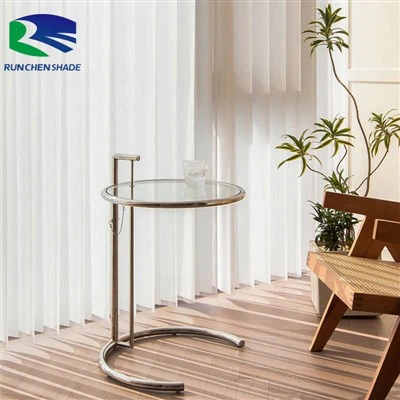
As a supplier of motorized indoor sunscreen blinds, I often get asked a crucial question by potential customers: "Are motorized indoor sunscreen blinds resistant to moisture?" This query is not only valid but also essential, especially when considering the long - term durability and functionality of these blinds in various indoor environments.
Understanding the Basics of Motorized Indoor Sunscreen Blinds
Motorized indoor sunscreen blinds are a popular choice for both residential and commercial spaces. They offer convenience through remote control or automated operation, allowing users to adjust the amount of sunlight entering a room with ease. These blinds are designed to block harmful UV rays, reduce glare, and enhance privacy while still maintaining a certain level of light transmission. For more information on the shading and light transmission capabilities of sunscreen blinds, you can visit Shading and Light Transmission Sunscreen Blinds.


Moisture and Its Impact on Blinds
Moisture can be a significant threat to the integrity of any window treatment. In high - humidity areas such as bathrooms, kitchens, or near swimming pools, excessive moisture can lead to a variety of problems. For instance, it can cause the fabric of the blinds to warp, mildew, or rot. In the case of motorized blinds, moisture can also damage the electrical components, leading to malfunctions or even complete failure of the motor.
The Resistance of Motorized Indoor Sunscreen Blinds to Moisture
The resistance of motorized indoor sunscreen blinds to moisture depends on several factors, including the materials used in their construction and the manufacturing process.
Materials
- Fabric: High - quality motorized sunscreen blinds often use specially treated fabrics. These fabrics are coated with water - repellent substances that prevent moisture from seeping in. For example, some fabrics are treated with a Teflon - like coating that creates a barrier against water droplets. This not only protects the fabric from getting wet but also makes it easier to clean. If the fabric does come into contact with moisture, it can dry quickly, reducing the risk of mildew growth.
- Hardware: The hardware components of motorized blinds, such as the motor, tracks, and brackets, are also designed to withstand moisture to a certain extent. Many manufacturers use corrosion - resistant metals like stainless steel or aluminum for these parts. Stainless steel is known for its excellent resistance to rust and corrosion, even in high - humidity environments. The motors are often sealed to prevent water from entering and damaging the internal electrical components.
Manufacturing Process
A well - manufactured motorized indoor sunscreen blind undergoes rigorous quality control measures to ensure its moisture resistance. During the manufacturing process, the seams of the fabric are carefully sealed to prevent water from seeping through. The electrical connections in the motor are also insulated and protected to prevent short - circuits caused by moisture.
Real - World Applications and Case Studies
In commercial settings like office buildings, motorized sunscreen blinds are widely used. In an office building with a large glass facade facing a humid outdoor environment, these blinds can maintain their functionality and appearance over time. For example, Motorized Sunscreen Blinds for Office Building have been installed in many modern office complexes. These blinds are exposed to varying levels of humidity throughout the day, but due to their moisture - resistant design, they continue to operate smoothly and provide effective shading.
In residential applications, especially in home offices, hotels, and bedrooms, motorized sunscreen blinds are also a popular choice. For homes with a home office or in hotel rooms near the ocean where the air is more humid, Motorized Sunscreen Blinds for Home Office Hotel can be a great solution. They offer the convenience of motorized operation while also being able to withstand the moisture in the air.
Maintenance Tips to Enhance Moisture Resistance
Even though motorized indoor sunscreen blinds are designed to be moisture - resistant, proper maintenance is still crucial to ensure their long - term performance.
- Regular Cleaning: Regularly clean the blinds to remove any dirt or debris that may trap moisture. Use a soft, damp cloth to wipe the fabric and a dry cloth to dry it immediately. Avoid using harsh chemicals that may damage the water - repellent coating on the fabric.
- Ventilation: Ensure proper ventilation in the room where the blinds are installed. Good air circulation helps to reduce humidity levels and prevent moisture from accumulating around the blinds.
- Inspection: Periodically inspect the blinds for any signs of damage or moisture intrusion. Check the fabric for any signs of warping or mildew, and examine the hardware components for rust or corrosion. If you notice any problems, address them promptly to prevent further damage.
Conclusion
In conclusion, motorized indoor sunscreen blinds can be highly resistant to moisture when they are made from high - quality materials and manufactured with proper techniques. However, it is important to choose the right blinds for your specific environment and to follow the recommended maintenance procedures. Whether you are looking for blinds for an office building, a home office, or a hotel room, our motorized indoor sunscreen blinds offer a reliable solution that combines convenience, functionality, and moisture resistance.
If you are interested in purchasing motorized indoor sunscreen blinds for your space, we invite you to contact us for a consultation. Our team of experts can help you select the right blinds based on your specific needs and the environmental conditions of your location. We are committed to providing high - quality products and excellent customer service.
References
- "Window Treatments: A Guide to Selection and Maintenance" by Home Decor Publishing
- "The Science of Fabric Treatments for Moisture Resistance" in Textile Research Journal